Custom glass bottles are widely used across multiple industries, including beverages, wellness products, cosmetics, and home essentials. They exist to provide tailored shapes, materials, and functional features that match specific product requirements
Over time, custom glass packaging has grown as a preferred choice due to its clarity, recyclability, durability, and design flexibility. The concept continues to evolve as sustainability and branding standards shift globally.
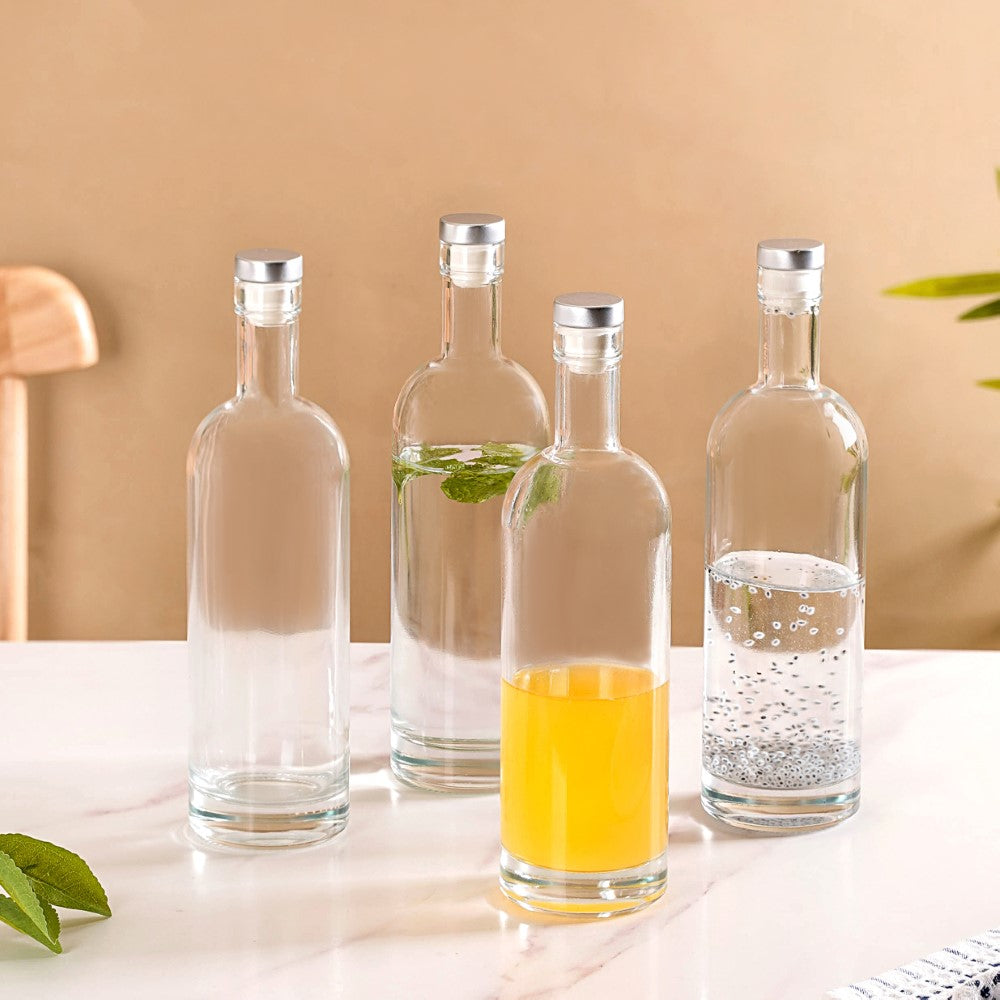
Context: Understanding Why Custom Glass Bottles Exist
Custom glass bottles emerged from the need for specialized packaging that aligns with product identity, safety standards, and environmental expectations. Before modern manufacturing, glass was produced in limited shapes. As production technologies advanced, customization became easier, allowing manufacturers to mold glass into unique forms, incorporate embossed patterns, adjust thickness, and introduce features like tinted finishes or enhanced durability.
Manufacturers, designers, and brands use custom glass bottles to achieve consistency, maintain product quality, and express identity through packaging. The material’s resistance to chemical reactions makes it suitable for food and beverage use, beauty products, and laboratory items. Additionally, glass provides long-term stability, helping preserve flavor, aroma, and purity, which is why it remains popular despite the rise of alternative materials.
Importance: Why Custom Glass Bottles Matter Today
Custom glass bottles play a growing role in sustainability-focused markets. As awareness around environmental impact increases, consumers and organizations look for packaging that can be recycled repeatedly without losing structural integrity. Glass is widely recognized as a material that supports circular economy models, making it a relevant choice for eco-conscious industries.
The topic matters to manufacturers, suppliers, environmental agencies, packaging designers, and consumers. Custom glass bottles help address several modern challenges, including:
-
Sustainability – Supports recycling initiatives and reduces reliance on single-use plastics.
-
Branding needs – Allows unique shapes, colors, and textures that distinguish products on shelves.
-
Safety and purity – Prevents contamination because glass is non-reactive and stable.
-
Durability – Provides strong protective qualities for liquids, oils, and chemicals.
-
Premium packaging trends – Aligns with the growing focus on product identity and visual appeal.
In industries where quality assurance is essential, custom glass packaging helps maintain consistent product performance. This is particularly valued in sectors like skincare, specialty beverages, and laboratory goods, where purity and stability are priorities.
Recent Updates: Trends and Changes in the Past Year
In the last year, several updates have shaped the way custom glass bottles are produced, regulated, and used. Sustainability and manufacturing innovations have been the most visible areas of change.
• 2024–2025 Sustainability Shift:
Global packaging reports throughout 2024 highlighted increased investment in recycled glass materials. Many manufacturers introduced higher levels of post-consumer recycled (PCR) content to reduce environmental impact while improving energy efficiency in production.
• Lightweight Bottle Designs (2024):
New furnace technologies enabled lighter glass bottle production without compromising durability. These designs reduce transportation emissions and material consumption.
• Growth in Eco-Friendly Packaging Programs (2024–2025):
Governments and industries expanded programs aimed at enhancing recycling rates and promoting reusable packaging systems. Custom glass bottles benefited from these initiatives due to their long lifespan.
• Increased Demand for Premium Packaging (Late 2024):
Lifestyle and beverage markets leaned toward minimalist, custom-designed glass bottles with matte finishes, textured surfaces, and natural tones.
Comparative Table: Key Features of Glass vs. Other Packaging Materials
| Feature | Custom Glass Bottles | Plastic Containers | Metal Containers |
|---|---|---|---|
| Recyclability | 100% recyclable multiple times | Limited recyclable cycles | Recyclable |
| Durability | High, scratch/heat resistant | Moderate | High |
| Chemical Interaction | Non-reactive | May interact with contents | Non-reactive |
| Aesthetic Quality | Premium and clear | Basic | Industrial look |
| Environmental Impact | Lower long-term impact | Higher impact | Moderate |
| Temperature Resistance | Excellent | Limited | High |
This table helps illustrate why glass continues to hold relevance across industries focused on sustainability, purity, and long-term use.
Policies and Regulations That Influence Custom Glass Bottles
Custom glass bottles are affected by policies related to environmental protection, recycling requirements, packaging purity standards, and material safety. These rules differ by country, but several common themes apply globally.
Environmental regulations:
Many regions require manufacturers to follow guidelines focused on waste reduction and recycling efficiency. Extended Producer Responsibility (EPR) programs are active in various countries, encouraging companies to improve recyclability and manage post-use materials effectively.
Material safety standards:
Glass bottles used for food and beverages must meet purity and structural standards. These include regulations on thermal resistance, chemical stability, and heavy metal restrictions.
Labeling and traceability guidelines:
Some industries require traceability information on packaging materials. This includes batch numbers, material certification data, and recycling instructions.
Recycling and deposit rules:
Countries with glass deposit programs encourage higher recovery rates. These policies indirectly influence custom bottle design by promoting shapes that are easier to collect, clean, and reuse.
Tools and Resources for Learning More About Custom Glass Bottles
A variety of digital tools and resources help users explore material selection, sustainability data, design considerations, and general packaging knowledge.
Design and Visualization Tools
-
Online 3D bottle design tools for modeling and visualization
-
Material comparison platforms for selecting appropriate glass types
-
Color and shape configuration apps for understanding design outcomes
Sustainability and Recycling Resources
-
Global recycling data dashboards
-
Life Cycle Assessment (LCA) calculators
-
Environmental impact comparison tools
Educational Platforms
-
Packaging research websites offering updated reports
-
Online databases providing information on materials, purity levels, and recyclability
-
Industry knowledge hubs with guides, insights, and case studies
These resources support organizations and learners interested in enhancing their understanding of glass packaging practices and current trends.
Data Table: Common Types of Custom Glass Bottles
| Bottle Type | Typical Use | Key Properties |
|---|---|---|
| Flint Glass Bottles | Beverages, oils | Clear, transparent |
| Amber Glass Bottles | Pharmaceuticals, cosmetics | Light protection |
| Frosted Glass Bottles | Skincare, décor | Non-slip surface, premium look |
| Thick-Walled Bottles | Alcohol, luxury items | High durability |
| Eco-Recycled Bottles | General packaging | Higher recycled content |
FAQs
What makes custom glass bottles different from standard glass bottles?
Custom glass bottles are designed with specific shapes, thickness levels, colors, or textures that support unique product needs. Standard bottles follow uniform designs, while custom versions offer flexibility for function and appearance.
Are custom glass bottles environmentally friendly?
Glass is recyclable multiple times without losing strength or clarity. When produced with recycled content and energy-efficient methods, custom glass bottles support long-term environmental sustainability.
How long do glass bottles typically last?
Glass bottles can last many years when handled properly. Their durability and resistance to heat or chemical reactions make them suitable for prolonged use.
What industries commonly use custom-designed glass bottles?
Industries such as beverages, wellness, cosmetics, fragrance, home care, and laboratory packaging frequently rely on custom glass bottles due to clarity, purity, and stability.
What factors influence the choice of glass type?
The decision depends on the product’s sensitivity to light, required durability, thermal conditions, and desired aesthetic features. For example, amber glass offers better light protection, while flint glass provides maximum clarity.
Conclusion
Custom glass bottles continue to play a significant role across packaging-focused industries. Their clarity, durability, recyclability, and versatility make them a long-standing choice for businesses and consumers seeking high-quality packaging solutions. Recent trends have pushed the industry toward lighter designs, increased use of recycled materials, and improved production technologies. Regulatory policies support these shifts by prioritizing safety, sustainability, and material transparency.
As markets evolve, custom glass bottles remain essential for applications requiring stability, purity, and unique design characteristics. Their adaptability, combined with environmental advantages, ensures their relevance in modern packaging strategies and future sustainability goals.