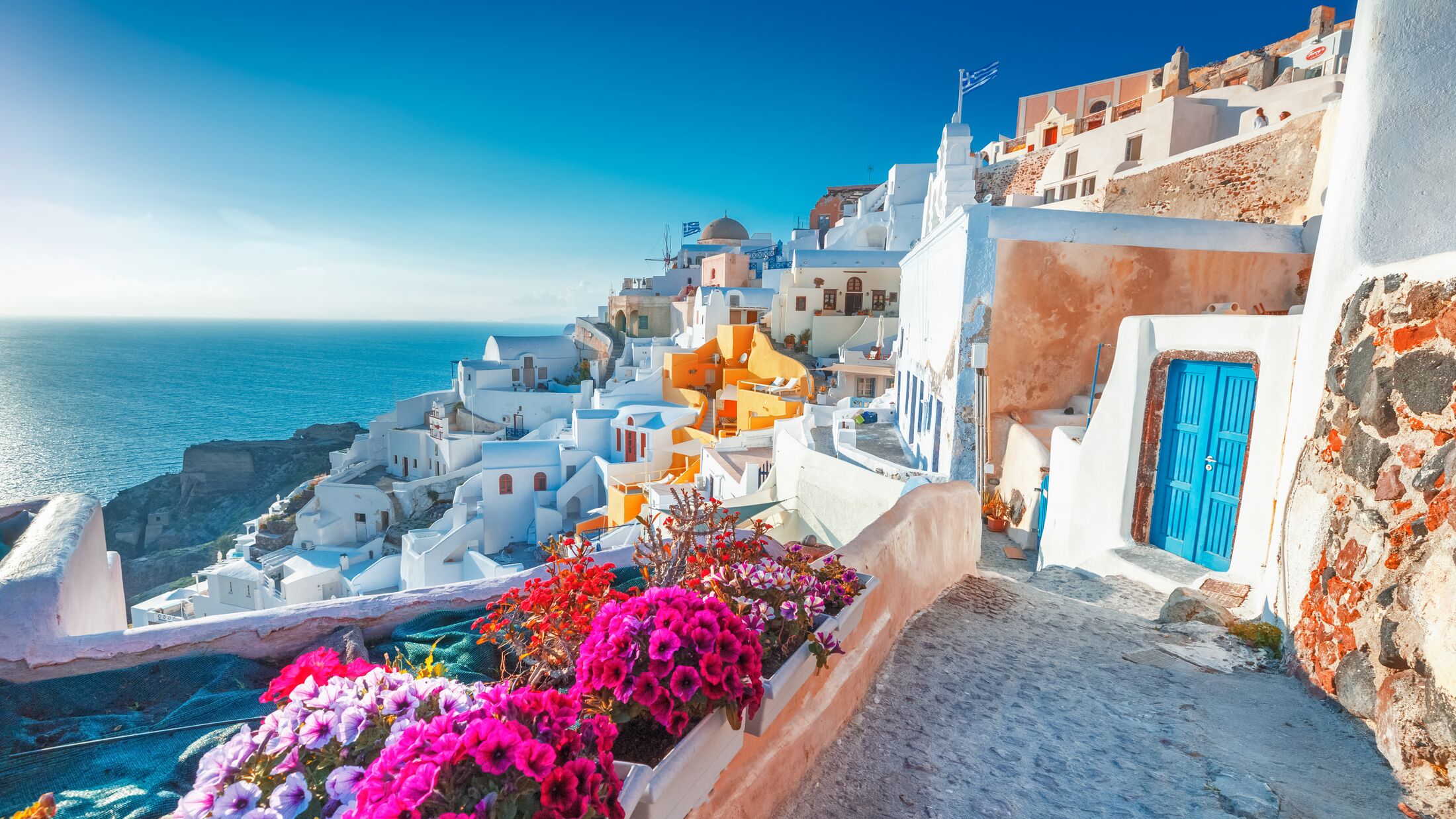
Greece has long been recognized as a destination shaped by history, natural landscapes, and cultural heritage. A Greece holiday exists as a global interest area because the country blends ancient archaeological sites, island environments, coastal scenery, and traditional Mediterranean living
Greece’s geographic layout also supports exploration. With more than 200 inhabited islands, mountain ranges, UNESCO World Heritage Sites, and distinctive regional traditions, the country provides a wide scope for cultural understanding and environmental appreciation. This creates an ongoing demand for clear, factual, and neutral information on Greece travel insights.
Importance
Understanding Greece holidays matters today because travel patterns have changed, and many travelers aim to make informed decisions based on culture, sustainability, and reliable information. Greece affects several groups, including travelers, students, researchers, and cultural enthusiasts who want a deeper understanding of Mediterranean traditions.
Exploring Greece helps people:
-
Learn about ancient history and archaeology
-
Understand regional differences across islands and mainland areas
-
Explore Mediterranean ecosystems and coastal landscapes
-
Discover Greek traditions, languages, and local customs
-
Access reliable insights for safe and aware travel planning
Many travelers today also prioritize environmental responsibility. Greece’s islands, beaches, and protected marine zones highlight the importance of sustainable tourism practices. Knowing how to travel responsibly helps preserve natural and cultural sites while ensuring long-term environmental balance.
Greece also provides educational interest for academics, historians, and students studying classical civilizations, architecture, mythology, and European heritage. Its cities, including Athens, Thessaloniki, Heraklion, and Patras, are centers of museums, ancient monuments, and cultural institutions.
Recent Updates
The past year (2024–2025) saw several updates that affect Greece holiday exploration.
1. Digital Tourism Tools (2024)
The Greek Ministry of Tourism expanded digital information platforms in early 2024 to provide improved access to cultural site details, island transportation information, and updated guidance for archaeological site visits.
2. Climate and Weather Adaptations (2024–2025)
Since June 2024, Greece has promoted heat-management guidelines during summer months due to rising seasonal temperatures. Some archaeological sites introduced temporary adjusted visiting hours during peak heat periods.
3. Transportation Improvements (2024)
In August 2024, Greece introduced upgraded ferry tracking systems to help travelers access more accurate schedules for island routes. Additional regional airports also implemented modernized digital monitoring systems.
4. Sustainable Tourism Programs (2024–2025)
Greece continued expanding its sustainability certifications for islands. In 2024, several islands—including Tilos, Astypalea, and Paros—received recognition for renewable-energy and environmental projects.
5. Cultural Events and Heritage Updates (2024)
UNESCO announced restoration progress on several historical sites in Athens and Delphi in late 2024, improving visitor safety and preservation quality.
These updates help travelers stay aware of environmental conditions, transportation changes, and cultural site restoration work.
Laws or Policies
Greece holidays are influenced by various rules, environmental guidelines, and cultural site policies that protect historical locations and natural landscapes.
Archaeological Site Regulations
Greece has strict protection laws for archaeological areas under the Hellenic Ministry of Culture. Photography rules, preservation zones, and restricted access points are enforced to maintain heritage integrity.
Environmental Protection Rules
Coastal protection laws regulate activities in marine parks, beaches, and protected islands. These include guidelines for wildlife observation, waste management, and adherence to designated walking paths.
Travel Entry Requirements
The Schengen Zone rules apply to Greece, meaning travelers must follow passport validity requirements, visa guidelines, and border entry regulations based on their nationality.
Island Transport Regulations
Ferry travel, domestic flights, and inter-island transportation follow maritime and aviation safety rules set by Greek and European authorities.
Accommodation and Tourism Registration
Properties used for tourism must hold registration codes under Greek tourism law, ensuring regulatory compliance and accurate monitoring of tourism activity. (Information included for educational awareness only.)
These policies help protect Greece’s cultural identity, natural environments, and travel safety standards.
Tools and Resources
Several helpful tools support Greece holiday exploration, travel education, and planning. These focus on navigation, cultural understanding, weather updates, and transportation insights.
Travel Planning and Navigation Tools
-
Google Maps – For route insights, island navigation, and city orientation.
-
Rome2Rio – For transportation comparisons across flights, buses, and ferries.
-
Island-hopping route planners available on travel websites.
Weather and Climate Tools
-
Meteo.gr – For detailed weather updates across Greek regions.
-
Windy – For wind and coastal condition tracking, especially helpful on islands.
Cultural and Historical Resources
-
Greek Ministry of Culture website – For archaeological site updates and visitor guidelines.
-
Museum websites such as the Acropolis Museum and National Archaeological Museum.
Transport Tools
-
Ferryhopper – For ferry schedules and inter-island route information.
-
Athens Transport app – For metro, tram, and bus details in Athens.
Language and Cultural Tools
-
Greek phrasebook apps to support basic communication.
-
Translation tools for reading signs, menus, and informational boards.
These resources can help travelers gather educational insights and understand Greece’s cultural and environmental structure more effectively.
Table: Popular Greek Regions and Key Features
| Region / Island | Main Focus | Known For |
|---|---|---|
| Athens | History & Heritage | Acropolis, museums, ancient sites |
| Crete | Culture & Landscapes | Beaches, mountain villages, archaeology |
| Santorini | Scenic Views | Caldera, geological formations, sunsets |
| Rhodes | Medieval History | Old Town, coastal nature, historical walls |
| Thessaloniki | Cultural Learning | Museums, festivals, Byzantine heritage |
FAQs
What is the best time to explore Greece?
The most comfortable seasons are spring (April–June) and autumn (September–October), when temperatures are moderate and conditions support outdoor exploration. Winter is cooler but good for cultural travel in mainland cities.
Do I need special permits for archaeological sites?
Most sites allow entry with standard tickets, but some areas have restricted zones to protect archaeological integrity. Visitors must follow posted guidelines issued by the Greek Ministry of Culture.
How many Greek islands are accessible to travelers?
Around 200 islands are inhabited, and dozens of them have transportation links. Islanders and authorities maintain travel routes across regions including the Cyclades, Dodecanese, Ionian, Sporades, and North Aegean.
Are there environmental guidelines for beaches and marine parks?
Yes. Many marine areas have rules to protect wildlife, sea turtles, and coral ecosystems. Visitors must follow designated swimming zones and avoid disturbing protected areas.
How is transportation managed between islands?
Ferries are the primary mode of movement between islands, supported by regional airports. Digital tools help track updated schedules and weather conditions that may affect travel.
Conclusion
A Greece holiday is more than a leisure activity—it represents an opportunity to explore history, culture, and natural landscapes through an educational and responsible perspective. With ancient heritage, diverse islands, and evolving sustainable tourism practices, Greece offers structured learning experiences for travelers seeking clarity and factual information.
Recent developments in digital tourism tools, transportation updates, and cultural site restoration contribute to safer and more informed travel. Understanding laws, environmental policies, and reliable resources supports responsible exploration and helps preserve Greece’s cultural and natural assets.